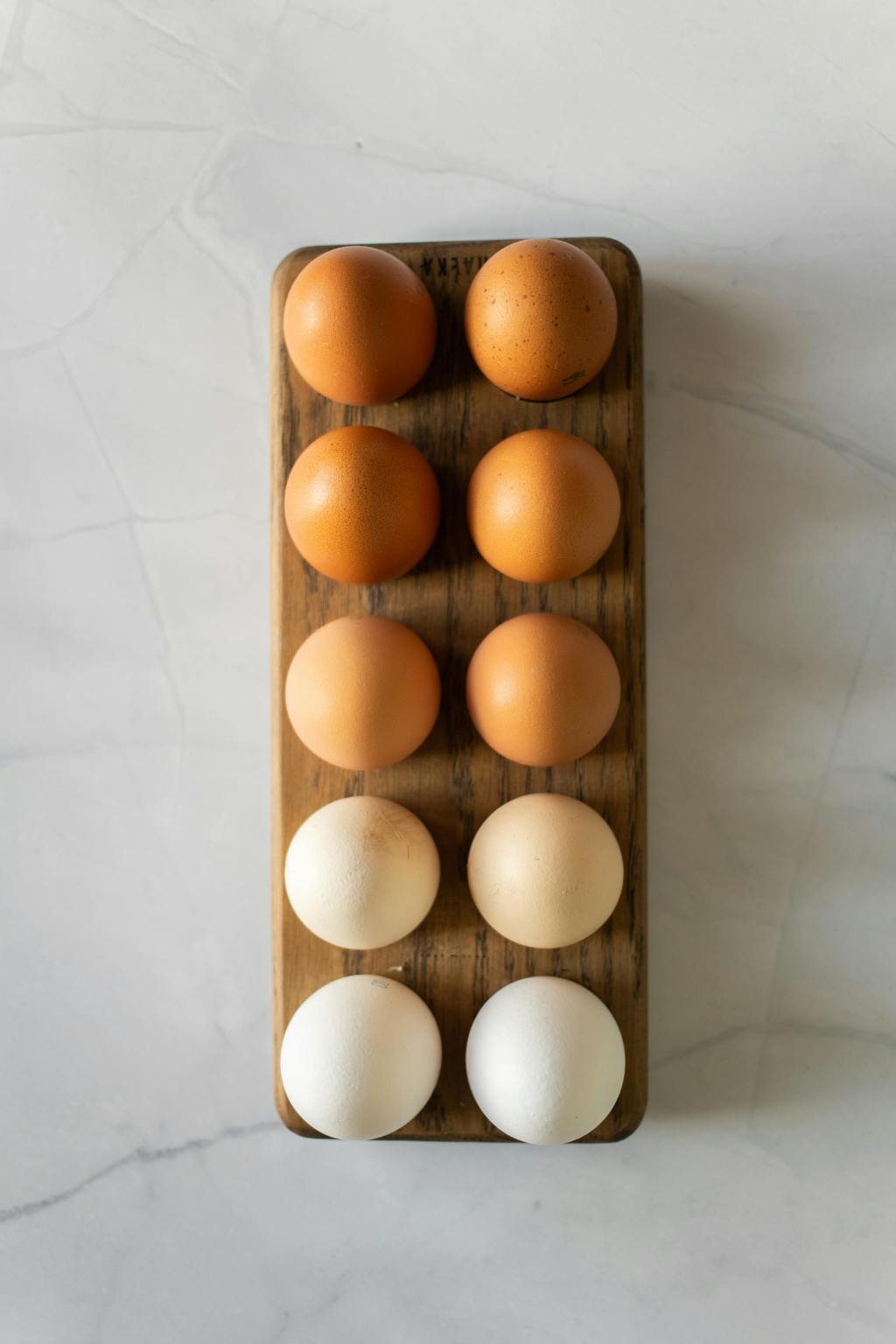
Eggs are a kitchen staple, but navigating the various types and labels at the grocery store can be confusing. From cage-free to organic, each label tells a story about how the eggs were produced. Here’s a breakdown of the most common types of eggs and what their labels really mean.
- Conventional EggsThe most common type of eggs found in grocery stores.They come from hens typically raised in large-scale operations, often in cages or crowded indoor environments.
- Cage-free eggsCage-free eggs come from hens that are not kept in cages. Instead, they have access to indoor spaces, though these areas can still be crowded.Cage-free is a term that can be applied to the remaining three production types: free-run, free-range and organic. The BC SPCA recommends choosing cage-free eggs
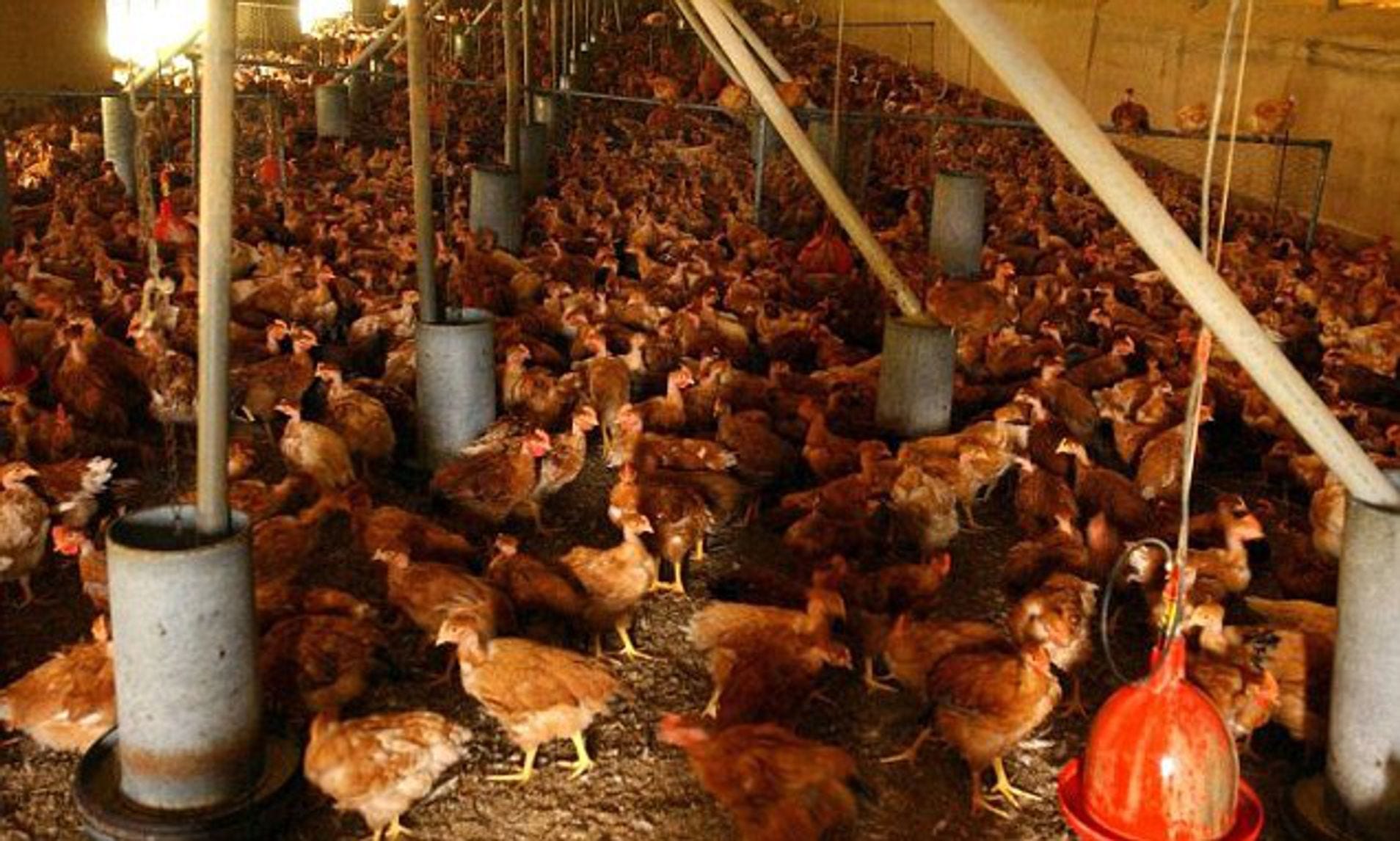
- Free-range eggs are produced by hens that have access to the outdoors, in addition to indoor housing. In Canada, outdoor access is seasonal, weather permitting. However, since there is no legal definition of free range in Canada, this can vary from farm to farm.
There is little to no nutritional difference between free-run and free-range eggs.
- Organic eggs
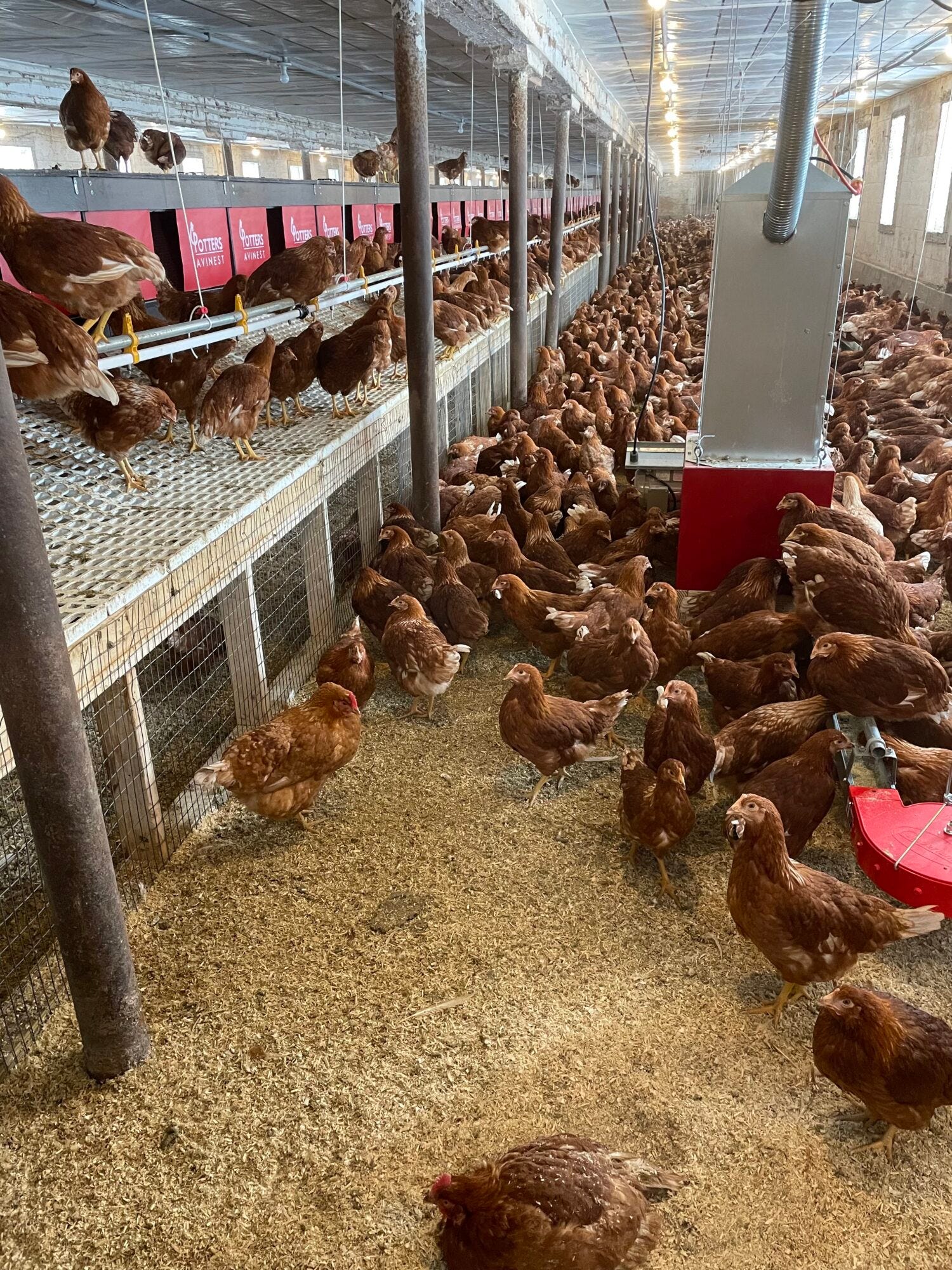
- Chickens are often raised in spaces similar to free-run / free range eggs.
- Chicken eggs sold as “organic” is raised to a specific standard as laid out by the Canadian General Standards Board, in addition to the standards set by a reputable organic certification board.
- Since these boards vary from province to province, there are slight differences in the rules for organic farming in different areas of the country, but in general, organic chickens must be raised with a certified organic feed that contains no animal by-products or any supplements, such as vitamins, must be approved by a certification body.
- Pasture-raised
- Pasture-raised eggs implies eggs from hens that are raised primarily outdoors, where they have ample space to roam, forage, and engage in natural behaviours.
- However, there are no legal or regulated definitions of what defines an animal or animal by-product as “pasture-raised.” The animal may have been raised primarily outdoors. There’s no guarantee it spent its entire life on pasture.
Regardless of what egg you buy, here is what they all have in common:
- Canadian eggs are fresh. Eggs travel from farms to the store in about a week. No matter which type of Canadian egg you choose, you are enjoying a fresh, nutritious food.
- Hormone-Free and/or Steroid-Free. Though rare, some farms still classify their chicken as “hormone-free.” This is just a marketing tactic, as the use of hormones in poultry has been banned since the 60s in Canada.
At the end of the day, eggs contain many essential vitamins and nutrients and adding any type of egg into your diet will provide numerous benefits to your overall health. However, understanding the differences between all the numerous types of eggs can help you make an informed decision into what type of egg is best suitable for your needs.
Want to learn more about eggs and other products? Subscribe to our newsletter to stay up to date!
 Read the label
Leave a comment